
Social Skills Development for Children
Help your child build confidence, communicate effectively, and develop meaningful friendships. Meer Clinic offers support to help children understand social cues, express emotions, navigate interactions, and feel more comfortable in social situations.
Understanding Social Skills Development
Social skills help children communicate, share, take turns, understand body language, and build positive relationships with others. These abilities play an important role in friendships, classroom participation, family interactions, and everyday social situations.
Some children may find it difficult to interpret facial expressions, understand social cues, manage emotions, or initiate conversations. Social skills support helps children practise these abilities through structured activities, guided interactions, and developmentally appropriate learning.
What to Expect from Social Skills Therapy
The process begins with an assessment of your child’s communication, social interactions, emotional regulation, and areas where additional support may be helpful. The therapist considers your child’s individual strengths and challenges when planning appropriate activities.
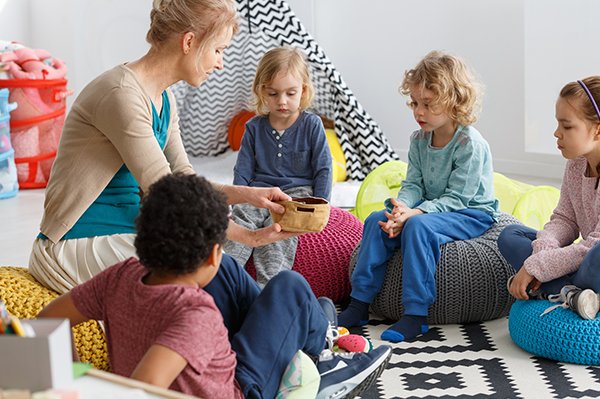
Sessions may include role-playing, games, guided conversations, and practical exercises that allow children to practise real-life situations. Depending on your child’s needs, support may be provided individually or in a group, with parent guidance to reinforce skills at home.
Essential Social Skills for Everyday Life
Recognising the signs is the first step towards better mental well-being.
Communication Skills
Practise starting conversations, expressing needs clearly, listening to others, and taking turns when speaking.
Understanding Social Cues
Learn to recognise facial expressions, body language, tone of voice, and other signals that help children understand social situations.
Building Friendships
Develop skills for meeting peers, joining group activities, sharing interests, and maintaining positive friendships.
Sharing & Turn-Taking
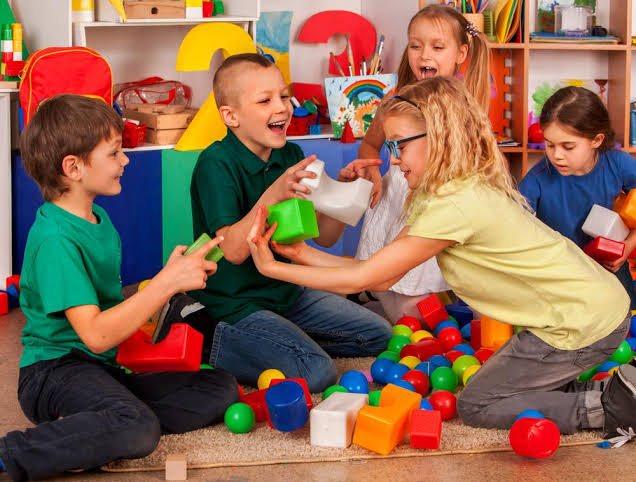
Practise waiting, taking turns, sharing resources, following group rules, and cooperating during games and activities.
Emotional Regulation
Recognise feelings, respond to frustration, and practise strategies for managing emotions during social interactions.
Confidence in Social Situations
Build confidence when meeting new people, participating in group activities, and navigating unfamiliar social environments.
Helping Children Grow Through Practice
Our approach combines careful evaluation, compassionate understanding, and personalised care to help you gain clarity and find the right path toward better mental health.
Personalised Social Skills Support
Each child has different strengths and needs. Activities are adapted to the child's developmental stage, communication style, and specific social challenges.
Learning Through Play
Games, role-playing, and guided activities provide opportunities to practise conversations, cooperation, emotional awareness, and everyday social interactions.
Family Guidance & Practice
Parents and caregivers can learn practical ways to reinforce social skills at home, encourage positive interactions, and support progress in everyday situations.
Support for Your Child's Social Development
Our experienced psychiatrists offer compassionate, personalised care to help you understand your mental health needs and find the right path toward wellbeing. Through careful evaluation and open conversations, we work to understand your concerns and unique experiences. Together, we develop a treatment plan that supports your emotional health and long-term recovery.

Medical Director & Consultant Psychiatrist
Frequently Asked Questions
We understand that reaching out can feel like a significant step. Here are answers to some common questions about beginning care.
What are social skills?
Social skills are abilities that help children interact with others, including communication, listening, sharing, taking turns, recognising social cues, and managing emotions.
How can I tell if my child needs social skills support?
You may consider support if your child consistently struggles to make friends, join group activities, understand social cues, manage disagreements, or communicate comfortably with peers.
Can social skills therapy help children with autism or ADHD?
Social skills support may help some children with autism or ADHD practise communication, cooperation, and social interaction. The approach should be tailored to each child’s individual needs.
What happens during a social skills session?
Sessions may involve games, role-playing, guided conversations, and activities that help children practise social situations in a supportive environment.